

Published
Which toe needs treatment now?
Treating both toes at once has not been shown to be better than treating one and reassessing the other. The choice depends on which pain limits you, whether the big toe is crowding the smaller toe, and what help you could arrange for one recovery or two. Tell the surgeon what would count as success even if the other toe stayed as it is: “I need to finish a shift in my work shoes; I can live with a bent toe if it doesn’t rub.” [1] [2]
For what each operation changes, its risks and what medicines to discuss, read our guide, Bunion and hammertoe correction: how are the operations different? [3] Our Bunion/Hammer Toe Correction procedure page gives a short overview. [4]
| If this sounds like your foot | A choice to discuss |
|---|---|
| A wider shoe relieves pressure on the bunion, and a deeper toe box keeps the smaller toe from rubbing. | Continue without surgery. If you can do what matters to you, the toes do not have to look straight for treatment to be worthwhile. Padding may also help if it fits without making the shoe tighter. [5] [6] |
| Pain at the big-toe joint ends your walk. The smaller toe stays comfortable in a deeper shoe. | Consider the bunion on its own. Ask what bunion correction could do for your walking if the smaller toe stayed bent. [5] [6] |
| The smaller toe rubs even in a roomy shoe. The bunion itself does not stop you. | Consider the hammertoe on its own, but check the space beside it. Have the surgeon show you whether the big toe would still press on the smaller toe after repair. [2] [6] |
| Both spots still hurt despite shoe changes. | Compare a combined repair with treating the more limiting problem first. Doing both means arranging one operation but protecting two repairs. Treating one first gives you a chance to find out whether the second operation is worth having. If it is, you may need leave, rides and help at home twice. |
Point out pain under the base of the second toe, especially if that toe is drifting toward its neighbor. That is a reason to examine the joint where the toe meets the foot and the ligament that supports it. It is not the same complaint as a bent knuckle rubbing against the top of a shoe. [7]
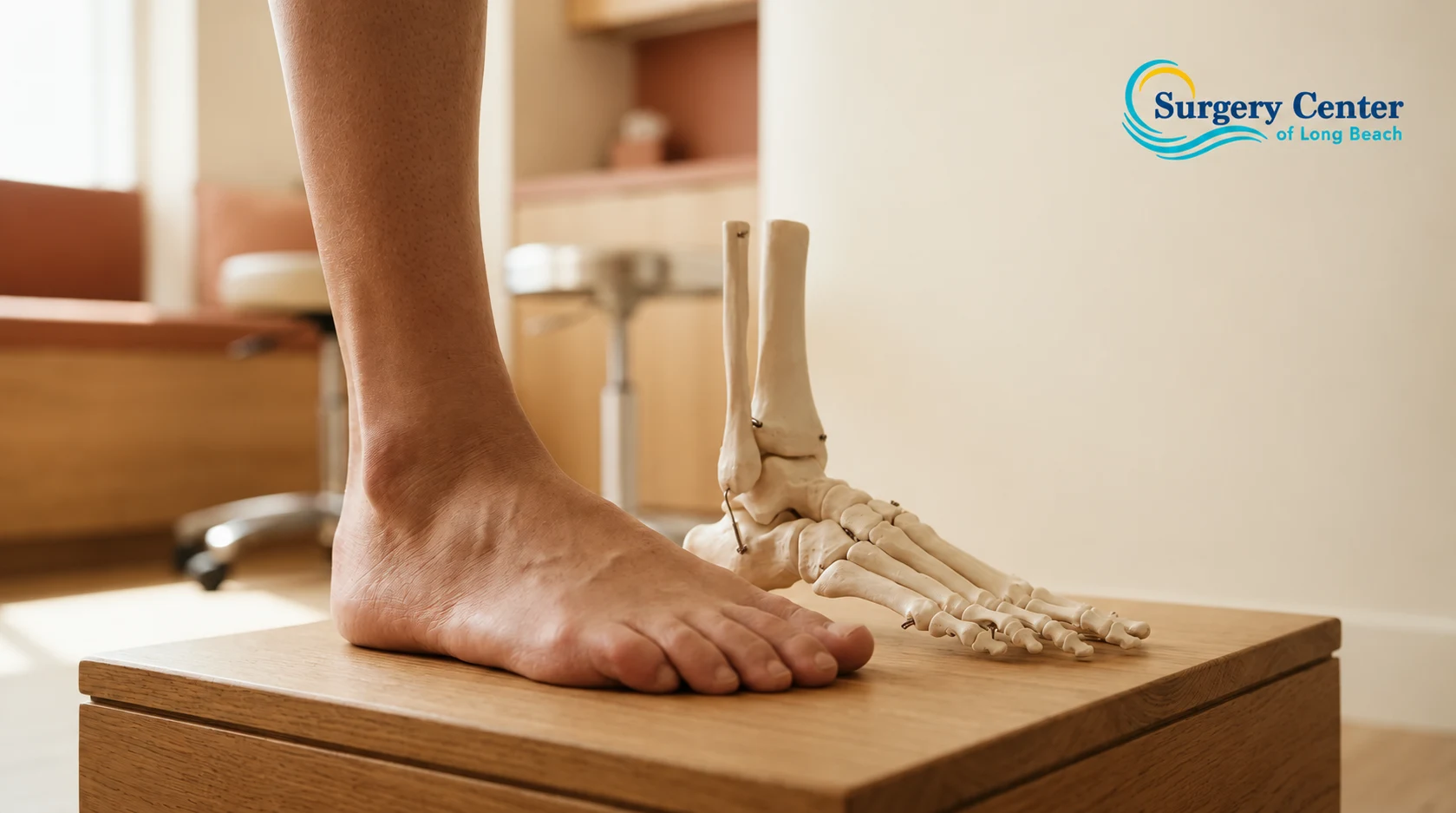
What the studies tell you—and what they don’t
Pain relief: At one specialty hospital, researchers compared 134 feet treated for a bunion alone with 87 treated for a bunion and hammertoe together. At least a year later, both groups reported less pain and better physical function. The combined group improved less on both pain severity and how much pain interfered with daily life. Pain also interfered more with daily life after surgery in that group. The groups were not assigned by chance: the combined group was older and had more big-toe angling to start with. The analysis did not account for that difference in deformity. This was not a comparison of combined surgery with planned surgery in stages. [1]
Whether a hammertoe comes back: A separate study at one practice followed 311 operated toes in 152 people for about 2½ years on average; some were followed for only six months. Hammertoes were less likely to come back when patients also had surgery on the big-toe side of the foot. Second-toe repairs and toes that drifted farther sideways before surgery were more likely to fail. Those results were counted per toe. They are a reason to ask whether crowding matters in your foot—not proof that operating on a comfortable bunion will prevent recurrence or relieve pain. [2]
If you leave one toe untreated, agree on what would bring you back
Choose a checkpoint you and your surgeon can recognize. For example, once it is safe to try your work shoe again, notice which spot, if any, still makes you take it off. If the original rubbing returns or the toe starts crossing its neighbor, arrange a reassessment. Don’t use a shoe trial to test broken skin. If you have diabetes and develop a blister or open sore, contact your care team right away rather than waiting for the next visit. [6] [7] [8]
Questions to take to your appointment
Diagnosis and choice - Can you show me which joint is causing the pain I feel in my shoe? - Would treating one toe leave the other pressing on it? - What symptom would the second repair relieve that the first repair would not? - Would I give up motion at a joint, and would that matter for my usual activities?
Before surgery - Can I bring my required work shoe so you can check its width, depth and pressure points? - Could I try the walking aid I would need before deciding whether I can manage my stairs?
Medicines and other health conditions - Who will give me a written plan for my medicines and supplements, including any blood thinner, insulin or GLP-1 medicine I take? - Would diabetes, reduced feeling or poor circulation change your recommendation or how we would check my skin?
My companion and help at home - Besides driving me home, what should my companion be ready to help me do? - If my helper can stay only once, how would I safely get to the bathroom under each plan?
Recovery - If we treat both toes, which repair determines how much weight I can put on that foot? - What needs to heal before I can drive or wear my work shoe? - If we treat one toe first, how will we tell when I can fairly judge what still hurts?
Urgent help - What swelling should I expect in my foot, and what change needs assessment that day? - Which contact on my discharge instructions should my companion use if my pain keeps worsening overnight?
When to get urgent help
After foot surgery, call 911 now for sudden trouble breathing, chest pain, coughing up blood, fainting, or a new, unexplained racing or irregular heartbeat. These can be signs of a blood clot in the lung. Do not wait for an office callback. [9]
- If a toe turns pale, blue or cold, call your surgeon’s practice immediately, at any hour. If you cannot speak with a clinician right away, go to the nearest emergency department. A persistent blue or pale color or a cold toe can signal a circulation problem. [10] [11]
- Get assessed the same day for new pain, tenderness, swelling, warmth or redness in the calf or thigh of either leg, including in the weeks after surgery. This is different from swelling you were told to expect in the operated foot. Contact your care team as soon as you notice it. If you cannot get assessed that day, go to an emergency department. [9] [12]
- Call your surgeon’s practice the same day for fever or chills, spreading redness, drainage from the incision, bleeding that soaks the dressing, or pain that keeps getting worse despite your pain-control plan. Use the postoperative contact in your discharge instructions. [13]
After surgery, follow the contacts on your discharge instructions. For a nonemergency concern that cannot wait until the office opens, call your surgeon’s practice number and use its answering service after hours. For other questions, use the contacts on your discharge instructions.
Learn More
- The influence of concomitant hammertoe correction on postoperative outcomes in patients undergoing hallux valgus correction
- Risk Factors for Failure in Hammertoe Surgery
- Bunion and hammertoe correction: how are the operations different?
- Bunion/Hammer Toe Correction
- Bunions
- Hammertoe Surgery
- Capsulitis of the Second Toe
- Your Feet and Diabetes
- About Venous Thromboembolism (Blood Clots)
- Preparing for foot and ankle surgery
- Foot and ankle post-op information
- Bunion Surgery
- Hammer toe repair - discharge
Sources checked November 26, 2026.