

Care guides
Understand a condition before choosing treatment
Start with a diagnosis you have been given. If you only know a symptom, these guides can help you describe it, but a clinician must work out the cause.
Start with what you know
A symptom is what you notice, such as a painful joint or tingling fingers. A condition is the diagnosis after an assessment. A procedure is one possible treatment. Reading about a condition does not mean you need an operation. Use the search box below if you have a diagnosis from a clinician; otherwise, tell a care professional what you feel, when it began, and what it stops you from doing.
6 conditions
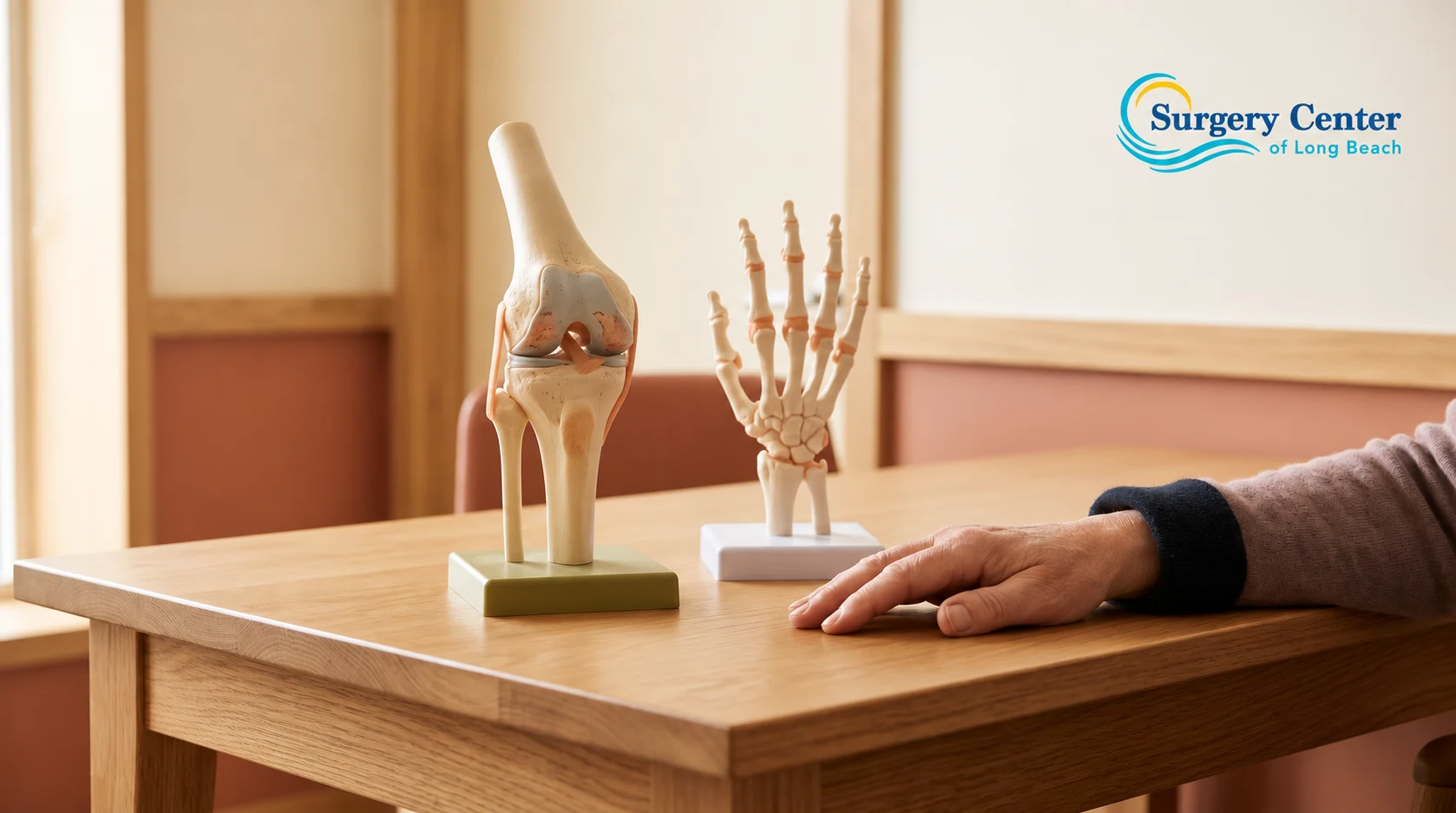
Arthritis
Learn how joint pain, swelling and morning stiffness can point to different kinds of arthritis, when to get urgent care and which treatments may help.
Explore
Carpal Tunnel Syndrome
Why does carpal tunnel syndrome make some fingers numb but spare the little finger? Learn when to seek care and what splints, injections and surgery can do.
Explore
Orthopedic Injuries
Learn how clinicians check bone, joint, tendon and ligament injuries, when you may need an X-ray or scan, and which symptoms need urgent or emergency care.
Explore
Osteoporosis
Find out who needs a bone density scan, what the results mean, and how exercise, fall prevention and osteoporosis medicines can help prevent broken bones.
Explore
Rotator Cuff Tear
Learn what a rotator cuff tear is, when weakness needs prompt care, how physical therapy compares with repair, and what to expect if you choose surgery.
Explore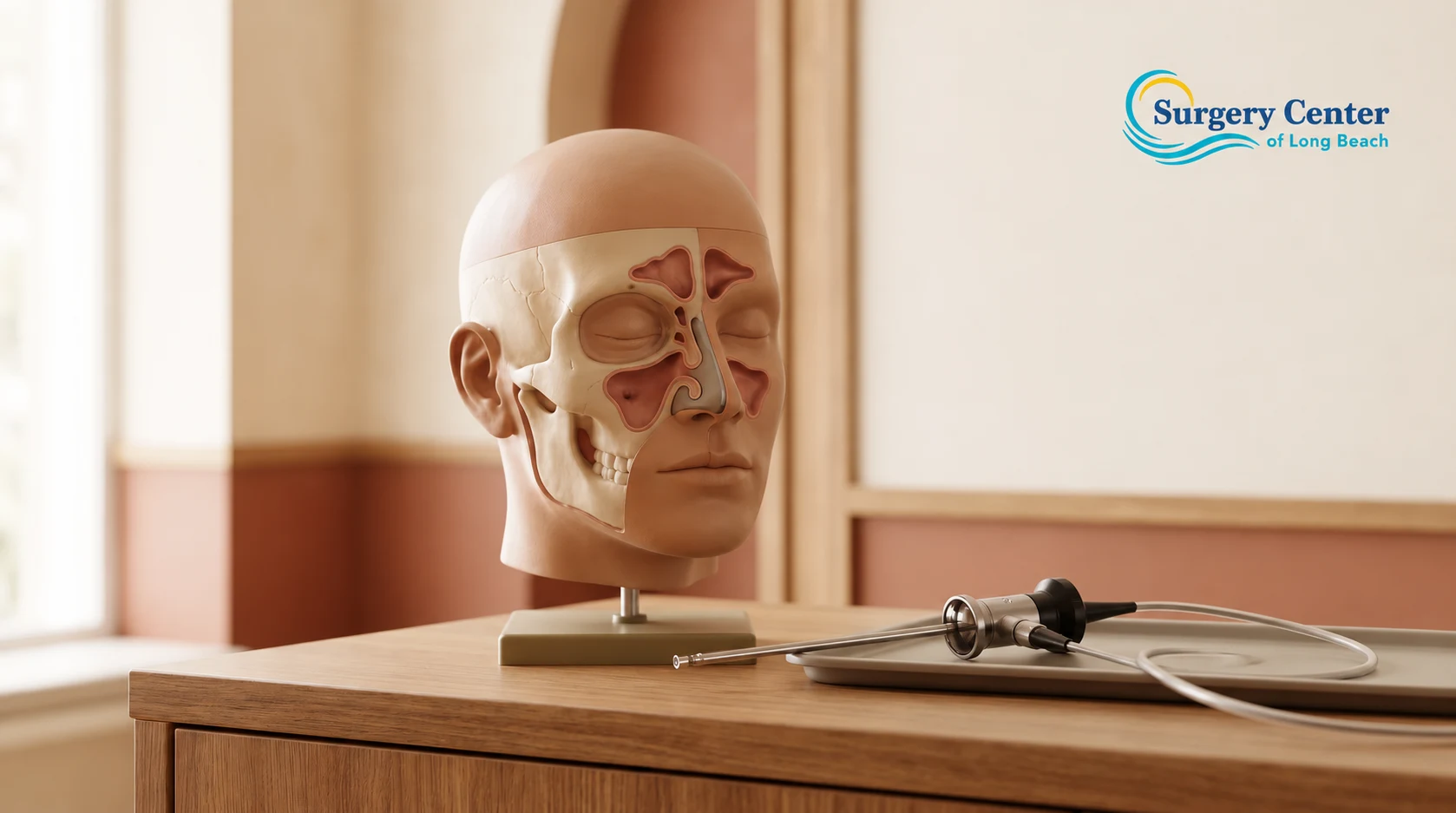
Sinusitis
Sinus symptoms not improving? Learn when adults should call a clinician or seek emergency care, how to rinse safely, and when antibiotics or surgery may help.
ExploreNo conditions match that search.
Choose the guide that fits your question
If the search finds no matching conditions, clear the field and browse the cards. These six condition guides are not a complete list of causes of pain or symptoms. For an unexplained or worsening problem, contact your clinician rather than treating a search result as a diagnosis. If an operation has already been proposed, use the procedure directory to understand the name and prepare questions about alternatives, benefits, risks, and recovery.
Take these questions to your visit
- What is the most likely diagnosis, and what else could cause these symptoms?
- What can I try without a procedure, and how will we know whether it helps?
- What change should prompt me to contact you sooner?
- If a procedure is proposed, what would it change and what care would I need afterward?
Sources checked November 20, 2026: U.S. Office of Disease Prevention and Health Promotion, Health Literacy Online and NICE shared decision-making guidance. These are navigation and decision aids, not a substitute for an individual diagnosis.