

Published
Before agreeing to a foot or ankle operation, ask which structure is causing your symptoms, what the proposed procedure changes, and how you will manage daily life while it heals. A bunion, painful ankle joint, and heel pain can all make walking difficult, but they involve different structures and operations. Bring your imaging, a list of medicines, shoes you use for work, and the activities you hope to return to. The answers should be specific to your diagnosis and the exact procedure proposed.
1. What is the diagnosis, and what else could explain my pain?
Ask your clinician to point to the painful structure on an examination diagram or your imaging. Pain under the heel may involve the plantar fascia; pain at the base of the big toe may involve a bunion or arthritis; pain deep in the ankle may arise from its joint or another nearby joint. These problems need different treatment. Imaging findings alone may not explain all symptoms. Ask which examination findings match the images and whether another cause needs evaluation.
Describe where pain starts, what brings it on, how long it has lasted, and what you cannot do because of it. Numbness, weakness, diabetes, circulation problems, prior operations, and tobacco use can affect the assessment and surgical plan. The surgeon should explain the diagnosis in terms you can repeat back.
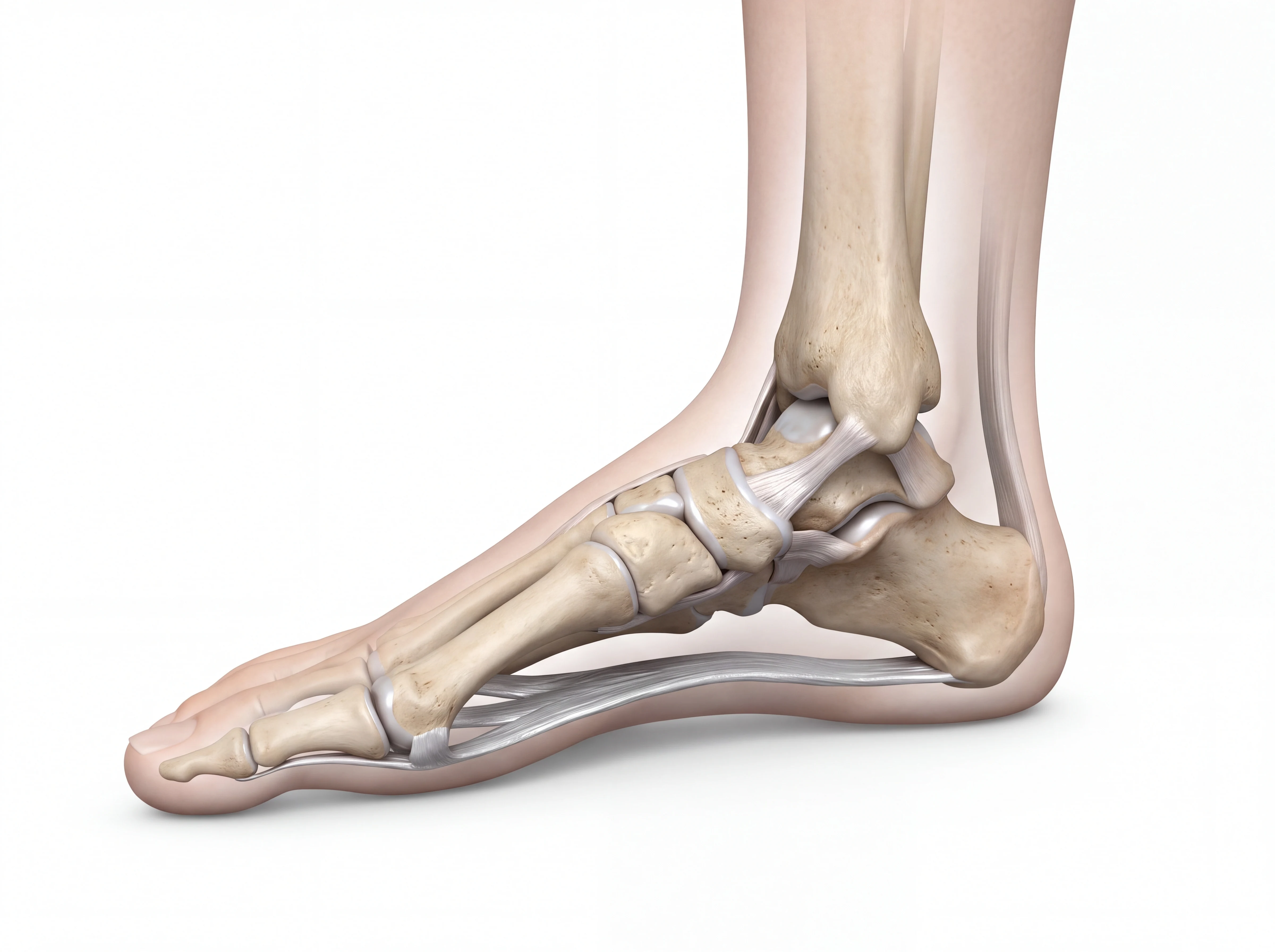
- 1Ankle joint: where the shinbone meets the talus.
- 2First metatarsophalangeal joint: the base of the big toe.
- 3Plantar fascia: the band along the bottom of the foot.
2. Which reasonable options have we considered?
For many foot and ankle conditions, care starts with changes to footwear or activity, a brace or insert, physical therapy, or other treatment tailored to the diagnosis. These are not interchangeable treatments. For example, the American Academy of Orthopaedic Surgeons (AAOS) plantar fasciitis guide describes stretching, shoe support, and other nonsurgical measures before considering a plantar fascia release for persistent cases. Its guidance does not decide what is best for a bunion or ankle arthritis.
Ask what improvement you can reasonably expect from continuing nonsurgical care, how you will judge whether it has helped enough, and whether delaying surgery changes the options. If surgery is offered, ask what problem it is meant to solve: pain, alignment, instability, or loss of function. A procedure designed to correct one issue may not address every symptom.
3. What exactly will you do, and what movement will change?
Ask for the operation's name and which bones, joints, tendons, or bands of tissue it involves. A bunion correction may realign bones near the big toe; hammertoe correction may address bone, tendons, or a toe joint. A plantar fasciotomy releases part of the plantar fascia. A fusion joins bones across a painful joint and removes motion there. The specific technique, extent of release or fusion, and any additional procedure should be clear before consent.
Ask whether the operation is open or minimally invasive, what type of anesthesia is planned, and whether a nerve block may leave the leg numb temporarily. Anesthesia and prescribing teams should explain the plan that applies to you. If an implant or fixation device will be used, ask what it does, how long it is expected to stay in place, and what could happen if it causes a problem.
4. What will the first days and follow-up look like?
Request a written plan for walking and weight bearing, incision care, pain control, footwear or a boot, and follow-up. Some procedures allow early protected walking; others require keeping weight off the foot. You cannot infer your instructions from another patient's recovery. Ask what examination or imaging will determine when restrictions change, whether therapy is expected, and who to call if the plan is unclear.
Walk through a normal day at home: stairs, bathing, cooking, caring for children, and getting to appointments. Ask whether you will need a walker, crutches, knee scooter, or help from another person. Clarify whether the operated foot may touch the floor when getting out of a car or using the bathroom; a boot alone does not tell you how much weight is permitted. Driving and work depend on which foot is treated, medicines, equipment, and job demands; ask your surgeon for personal milestones instead of a fixed date. The American College of Foot and Ankle Surgeons' preparation guide recommends discussing mobility and home planning before surgery.
5. Which risks matter most for me, and what is our backup plan?
All operations have potential complications, but the important risks vary. Ask about wound problems, infection, persistent pain, nerve symptoms, blood clots, and whether a bone procedure might not heal as intended. Your health conditions and procedure can change the likelihood and consequences. Discuss every medicine and supplement with the surgical team; do not stop a prescribed drug based on a general article.
Ask what would lead to another appointment, treatment, or operation if the first procedure does not achieve its goal. What symptoms should prompt a call, and what would need urgent evaluation? Also ask which symptoms the operation is unlikely to improve. Having that discussion before surgery helps you recognize progress without treating a general recovery timeline as a promise.
Bring this short checklist
- My diagnosis and the structure being treated.
- Nonsurgical options tried and how we judged them.
- The exact operation, anesthesia, and any implant.
- Walking, work, driving, home help, and follow-up instructions.
- My specific risks, warning signs, and backup plan.
See the center's foot and ankle procedure overview, including bunion and hammertoe correction and plantar fasciotomy. Your treating surgeon can explain which options fit your condition and whether an outpatient operation is appropriate.
Sources
- AAOS OrthoInfo: Plantar Fasciitis and Bone Spurs
- AAOS OrthoInfo: Arthritis of the Foot and Ankle
- ACFAS: Preparing for Your Appointment
Sources checked November 20, 2026. This article is general education and does not replace advice from your own care team.